Water sports in the UK come with a lot of opinions.
Some people will tell you you’re not allowed anywhere.
Others act like if it’s water, it’s fair game.
As with wild camping, the truth lives in a grey area — and once you understand it, getting on the water becomes far less stressful and a lot more fun.
Let’s break it down without the drama.
What Do We Mean by “Water Sports”?
For this post, we’re talking about non-motorised activities like:
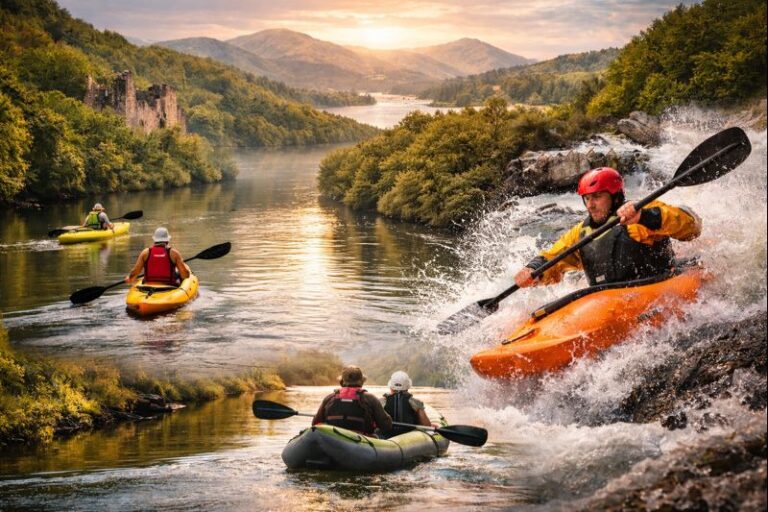
- Kayaking
- Canoeing
- Paddleboarding (SUP)
- Packrafting
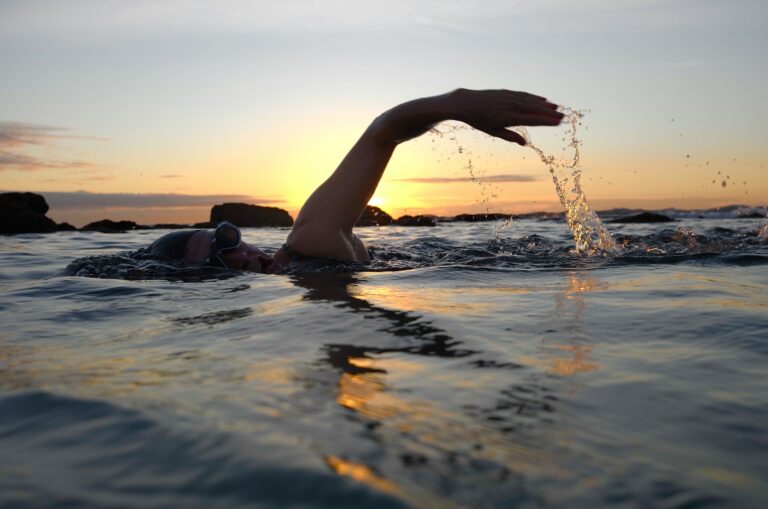
- Open water swimming
- General recreational paddling
Different craft, same reality:
👉 The rules depend more on the water than what you’re using.
Is Paddling Legal in England & Wales?
Short answer: Yes… but it depends where.
Most inland water in England and Wales is:
- Privately owned
- Or managed by an authority
So access usually comes down to:
- Existing navigation rights
- Local agreements
- Licences or permits
- How responsibly people behave
This is why advice online is so contradictory — people are often talking about completely different types of water.
Rivers: The Most Confusing Bit
Rivers cause most of the arguments.
In England and Wales:
- Many rivers don’t have an automatic public right of navigation
- Some have agreed access routes or seasons
- Some require a licence
- Some are unofficially tolerated
In practice:
- If you’re respectful, keep moving, and don’t cause damage
- You’re far less likely to have problems
Most conflict isn’t about paddling — it’s about behaviour.
On one river we’ve paddled in the Peak District, we were told directly that we weren’t allowed on the water — to the point where signs were put out discouraging access.
The confusing part? That stretch of river actually does have paddling access.
This wasn’t about ignoring rules or sneaking in. It was simply a case of different people believing different things — and misinformation spreading.
Canals: The Easy Option
Canals are often the simplest places to get started.
They’re usually:
- Managed by a navigation authority
- Clearly regulated
- Flat and predictable
You’ll often need:
- A licence or membership
- Third-party insurance
Not wild, not exciting — but very low stress.
Lakes & Reservoirs: Don’t Assume
This is where people get caught out.
Many lakes and reservoirs:
- Are privately owned
- Are drinking water sources
- Have strict access rules
Some allow water sports via:
- Clubs
- Day permits
- Designated launch areas
Just because it looks perfect doesn’t mean it’s open.
The Sea: Legally Simple, Practically Serious
Legally, the sea is often the most open.
In general:
- No licence required
- Open access around most of the coast
But:
- Weather, tides, and wind matter more than rules
- Harbours and ports may have restrictions
- Things can go wrong very quickly
The sea doesn’t care if you’re “allowed” — it cares if you’re prepared.
Scotland: Clear Rules, Less Stress
Scotland takes a different approach.
Access rights generally allow:
- Paddling on inland waters
- Coastal access
- Launching and landing responsibly
The trade-off?
- You’re expected to behave properly
- Avoid disturbing wildlife or anglers
- Use common sense when getting on and off the water
Clear rules = fewer arguments. It works.
Checking Access & Licences: Make Life Easier
If you don’t fancy guessing where you’re allowed to paddle, there is a straightforward option.
Websites like Paddle UK let you check:
- Where paddling access exists
- What type of water you’re dealing with
- Whether a licence or permit is needed
They also offer a licence that covers many rivers and canals across the UK, which can remove a lot of uncertainty — especially on managed waterways.
Having a licence won’t magically grant access everywhere, but it does:
- Cover you where agreements exist
- Include third-party insurance
- Make things simpler if access is questioned
It’s not about ticking boxes — it’s about paddling with confidence and knowing you’ve done your homework.
What Will Actually Get You Into Trouble
No matter what you’re paddling or where you are, these are the fastest ways to ruin it:
- Launching through private gardens or farmland
- Blocking slipways or towpaths
- Arguing instead of moving on
- Disturbing wildlife or nesting birds
- Leaving litter or damaging banks
Water access survives on goodwill. Lose that, and restrictions follow.
The Golden Rules (Follow These and You’ll Be Fine)
If you remember nothing else:
- 🚣 Know what water you’re on
- 📜 Check if a licence or permit is needed
- 🤝 Be polite to other users
- 🌿 Protect banks and wildlife
- 🧹 Leave no trace
- 🌊 Respect conditions, not just legality
Most experienced paddlers aren’t bending rules — they’re just informed.
Final Thought
Water sports in the UK aren’t about sneaking access or proving a point.
They’re about understanding where you are, respecting others, and enjoying the water responsibly.
Do that, and you’ll find far more places are welcoming than the internet would have you believe.