Just so you know:
Some links in this post are affiliate links. If you choose to buy through them, we may earn a small commission — at no extra cost to you. It helps support Wild & Waves and keeps our outdoor guides free and independent.
Choosing a backpacking tent isn’t about finding the best option — it’s about choosing the right type of tent for how you adventure.
Weight, space, ease of pitching, and weather protection all play a role, and different designs suit different styles of trips. This guide breaks down the main types of backpacking tents, explains the trade-offs, and shows real-world examples so you know what to look for.
Freestanding Backpacking Tents
Freestanding tents use dedicated poles and can stand upright before being fully pegged out. This makes them easy to pitch and reposition, especially on rocky or uneven ground where pegging options are limited.
They’re a popular choice for backpackers who value simplicity and flexibility, even if they tend to weigh a little more than more minimalist designs.
Popular freestanding backpacking tents include:
- Vango F10 Helium UL 2
- MSR Elixir 2
- OEX Jackal II
A well-known example of this type is the MSR Elixir 2, which prioritises durability, weather protection, and straightforward pitching — making it a sensible and popular choice for many UK backpacking trips.
👉 View the MSR Elixir 2 on Amazon
Semi-Freestanding Tents
Semi-freestanding tents use poles but still require a small number of pegs (often at the foot end) to achieve their full shape and tension.
They sit neatly between freestanding and ultralight designs, offering weight savings without giving up too much usability.
Popular semi-freestanding tents include:
- NEMO Hornet 2P
- MSR Freelite 2
- Big Agnes Tiger Wall UL2
One commonly seen example is the NEMO Hornet 2P, which reduces weight compared to fully freestanding tents while remaining relatively easy to pitch.
👉 View the NEMO Hornet 2P on Amazon
Trekking Pole Tents
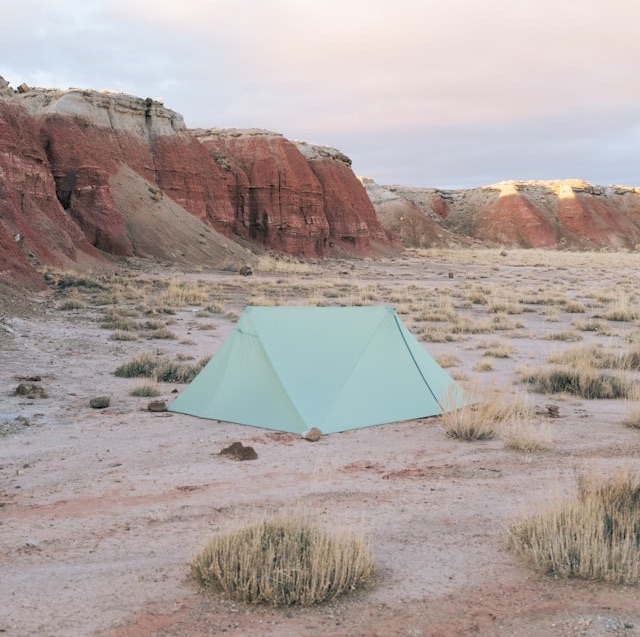
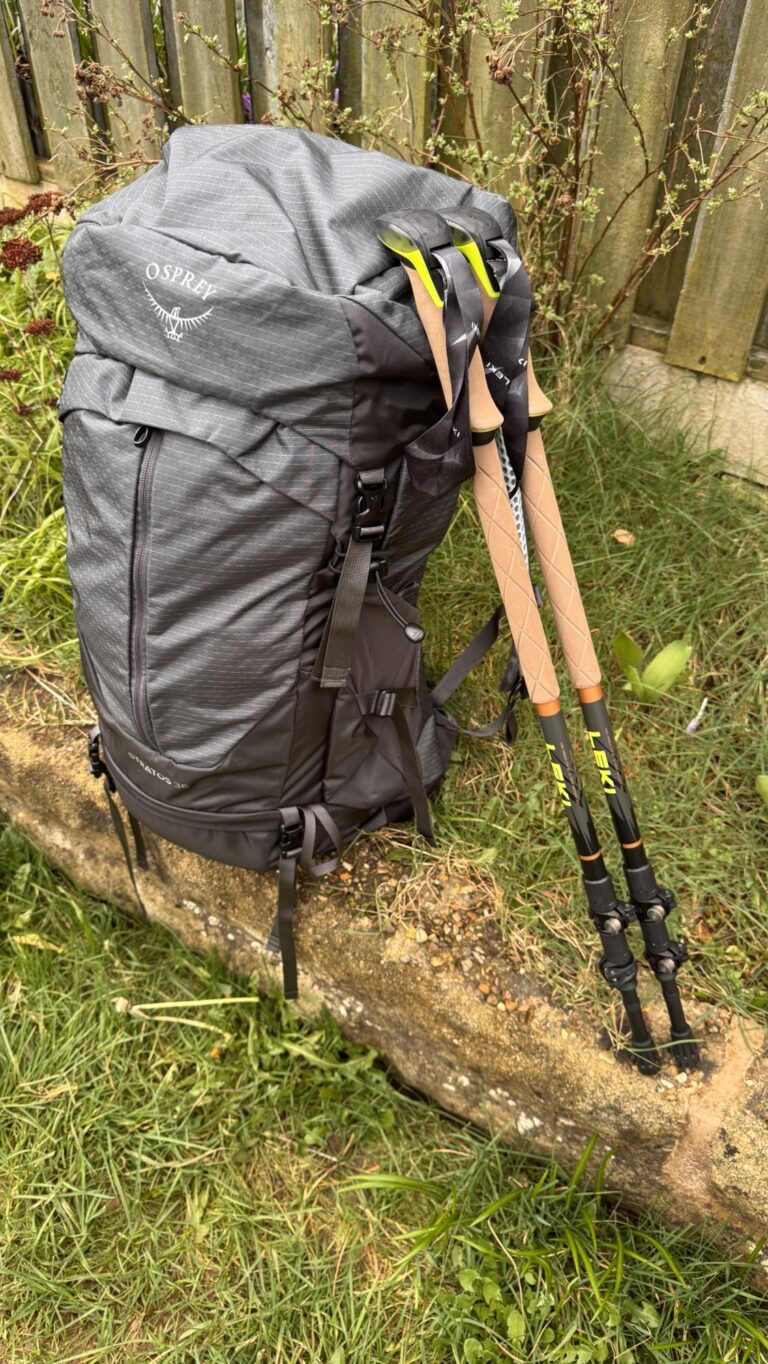
Trekking pole tents replace traditional poles with walking poles, reducing overall carry weight. These tents rely more on correct pitching and good site selection.
They’re especially popular with long-distance hikers and weight-conscious backpackers.
Common trekking pole tent examples include:
- 3F UL Gear Lanshan 2
- Decathlon SIMOND MT900 Trekking Pole Tent
- Duration X-Mid
A widely used example is the 3F UL Gear Lanshan 2, which offers a relatively affordable entry into trekking pole tents while still delivering meaningful weight savings.
👉 View the Lanshan 2 on Amazon
Pyramid / Mid Tents
Pyramid (or “mid”) tents use a central pole and a pyramid-shaped structure. Many can be paired with a removable inner tent, offering flexibility across seasons and different conditions.
They’re known for their excellent strength-to-weight ratio, particularly in windy or exposed locations, while still providing generous usable space for their weight.
Popular pyramid-style tents include:
- Big Agnes Gold Camp 3
- MSR Front Range
- Alpkit Tarpstar 4
A classic example of this type of shelter is the MSR Front Range, which prioritises space, stability, and weather protection while keeping overall weight relatively low. Like many mid tents, it’s designed to be modular and can be used on its own or combined with an inner tent for added comfort and bug protection.
👉 View the MSR Front Range on Amazon
For a more traditional enclosed setup, MSR also offers a compatible inner tent that turns the Front Range into a fully enclosed shelter.
👉 View the MSR Front Range Inner Tent on Amazon
One-Person Backpacking Tents
One-person tents are designed to minimise weight and footprint, making them ideal for solo trips where efficiency matters.
They do, however, offer limited space for gear, which can feel restrictive in poor weather.
Common one-person tent options include:
- OEX Bobcat 1
- Alpkit Soloist
- Naturehike Cloud Up 1
A good mid-range example is the Naturehike Cloud Up 1, which balances weight, weather protection, and durability for solo backpacking.
👉 View the Naturehike Cloud Up 1 on Amazon
Two-Person Backpacking Tents
Two-person tents aren’t just for pairs — many solo backpackers choose them for extra comfort and gear storage, especially on longer or wetter trips.
They’re heavier than one-person tents, but the added space often makes a big difference to overall comfort and livability.
Popular two-person backpacking tents include:
- Vango Banshee 2
- Big Agnes Blacktail 2
- OEX Rakoon II
A sensible, widely available option is the Vango Banshee 2, which is known for its durability, reliable weather protection, and good balance between weight and toughness — making it a popular choice for UK backpacking conditions.
👉 View the Vango Banshee 2 on Amazon
Single-Wall vs Double-Wall Tents (What’s the Difference?)
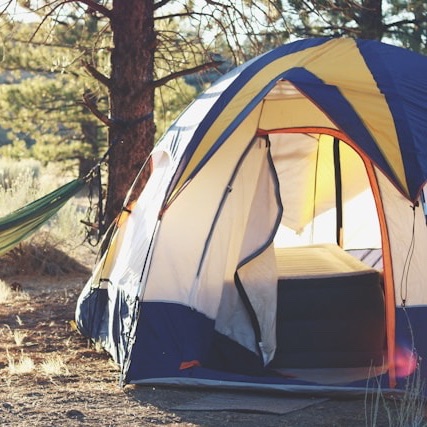
Single-Wall Tents
Single-wall tents combine structure and weather protection into a single layer. They’re typically lighter and quicker to pitch than double-wall designs, but require more attention to ventilation to manage condensation.
These tents are often favoured by experienced users or those prioritising simplicity and low profile over interior space.
Popular single-wall tent options include:
- Snugpak Ionosphere
- Decathlon SIMOND MT900 Single Wall
- 3F UL Gear Lanshan 2 Pro Version
A well-known UK-friendly example is the Snugpak Ionosphere, a low-profile, bivvy-style shelter designed for stealth camping, harsh conditions, and minimal pack weight. Its compact design makes it particularly popular with solo backpackers who value durability and weather resistance over internal space.
👉 View the Snugpak Ionosphere on Amazon
Double-Wall Tents
Double-wall tents use a separate inner tent and outer rainfly, which helps improve airflow and reduce condensation. They’re generally heavier than single-wall designs but are far more forgiving, particularly in damp or changeable conditions.
This makes them a popular choice for UK backpacking, where ventilation and moisture management are key.
Popular double-wall backpacking tents include:
- Vango Nevis 2
- OEX Jackal 2
- Big Agnes Blacktail 2
A sensible, widely available option is the Vango Nevis 2, which offers a good balance of weight, durability, and weather protection. Its straightforward design and reliable performance make it a popular choice for beginners and experienced backpackers alike.
👉 View the Vango Nevis 2 on Amazon
How to Choose the Right Backpacking Tent
When narrowing down your choice, think about:
- How far you’ll carry it
- Whether you use trekking poles
- Typical weather and terrain
- Whether you value space or low weight more
Understanding these trade-offs is far more important than chasing specifications.
Final Thoughts
There’s no single tent that suits everyone. The best backpacking tent is the one that fits your trips, your priorities, and your experience level.
This guide is designed to give you clarity, context, and realistic examples — helping you choose with confidence and avoid buying the wrong type of tent for your adventures.