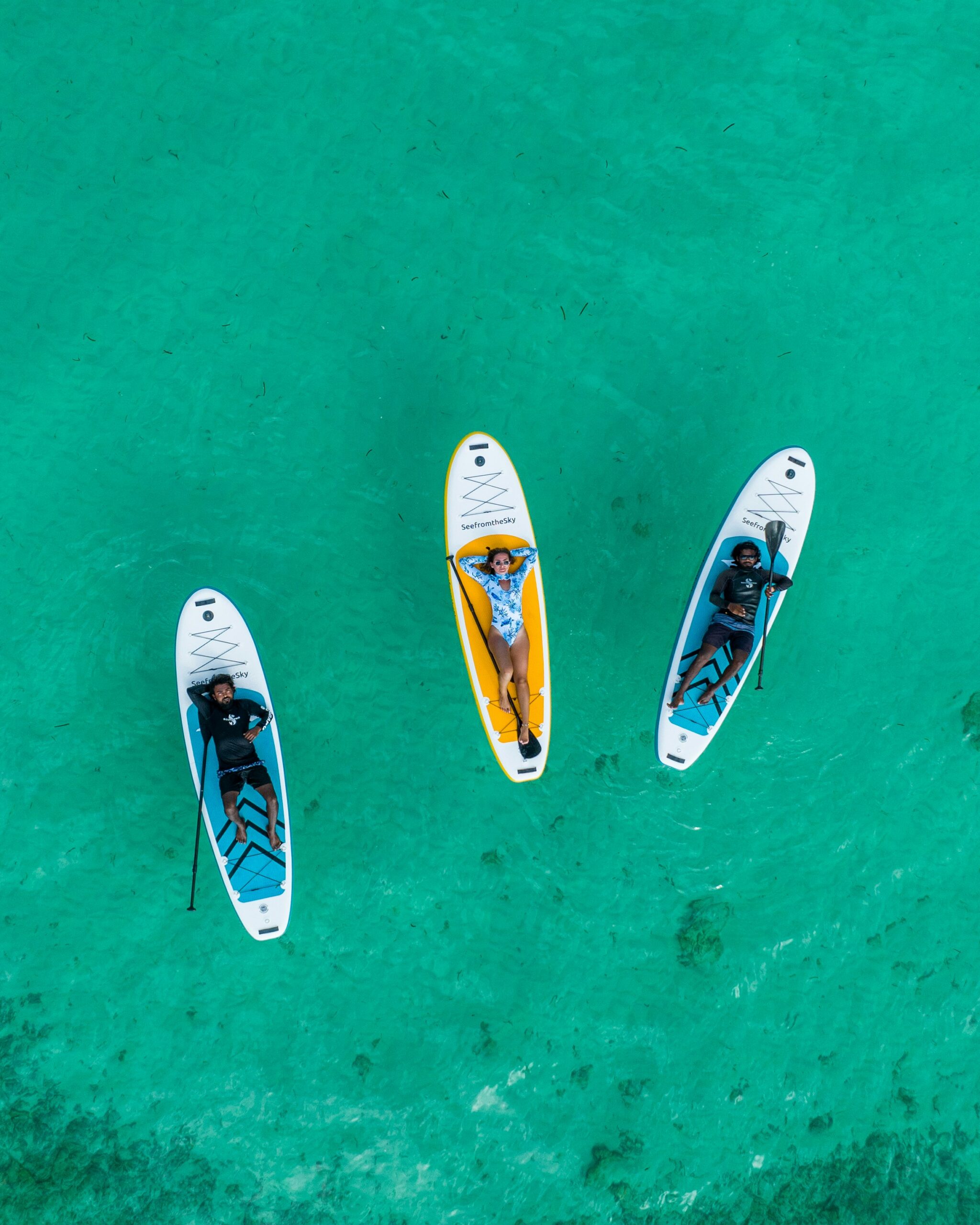
Whether you’re heading out on a calm canal, exploring rivers, or just getting started on the water, choosing the right paddle board makes a huge difference.
This guide breaks down the different types of paddle boards (SUPs), what they’re best for, and how to choose the right one for your setup.
(Some of the links below may be affiliate links, meaning we may earn a small commission at no extra cost to you.)
The Main Types of Paddle Boards
1. All-Around Paddle Boards (Best for Beginners)
Best for:
- Beginners
- Casual paddling
- Lakes, canals, slow rivers
What they’re like:
- Wide and stable
- Easy to balance on
- Great all-round option
Pros:
✔ Very stable
✔ Easy to use
✔ Versatile
Cons:
✖ Slower than other types
🔗 Recommended All-Around SUPs
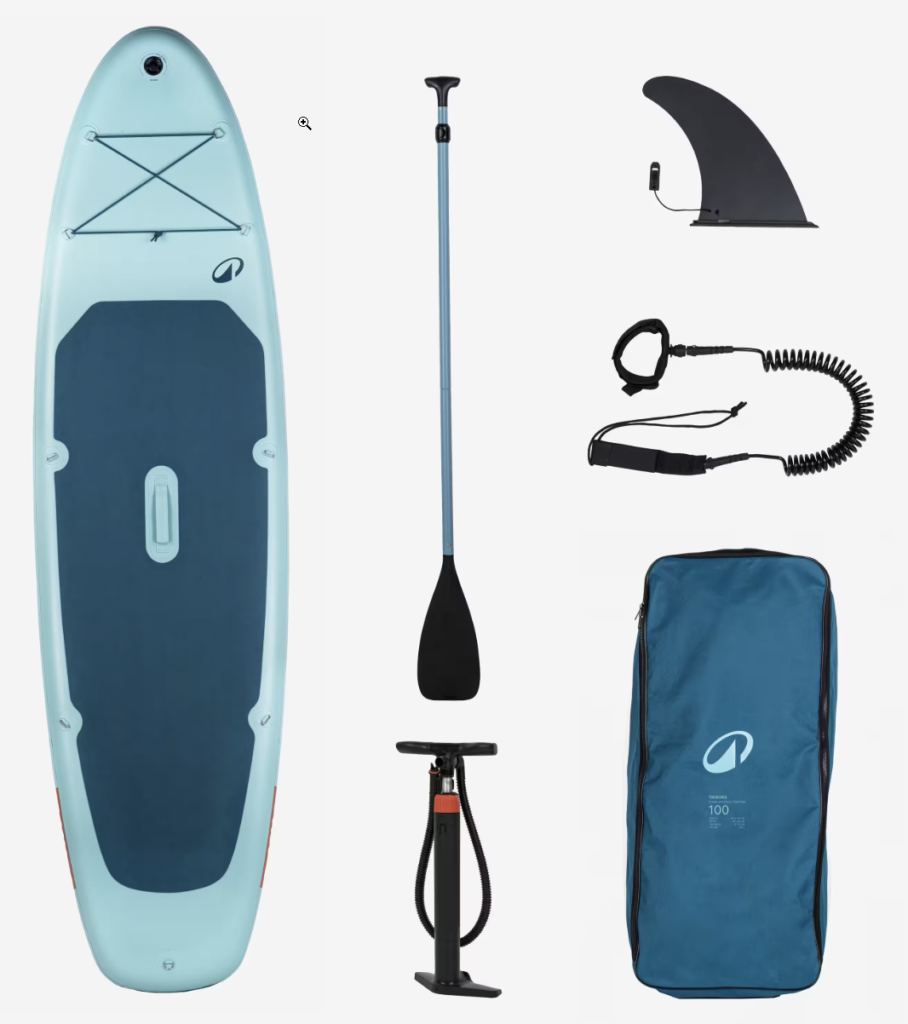
- Beginner Budget Option (Decathlon)
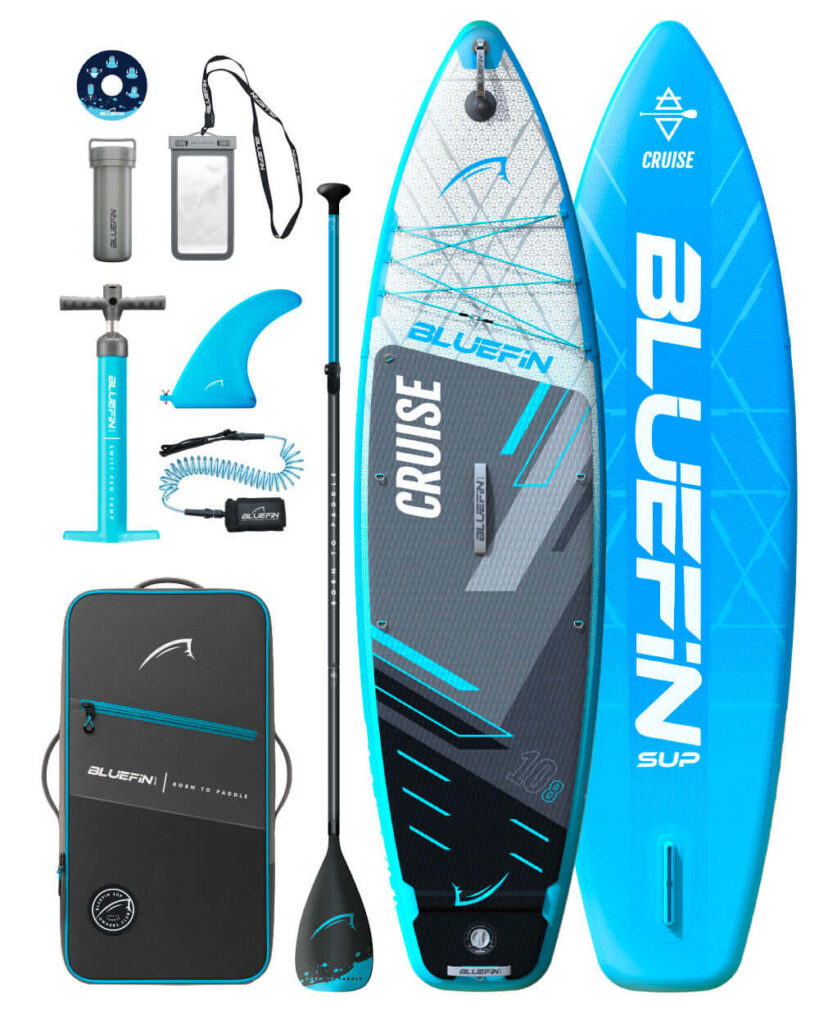
👉 DECATHLON Inflatable stand-up paddleboard pack - Feature-Rich All-Rounder (Bluefin SUP)
👉 Bluefin Original Cruise 10’8 Premium Inflatable SUP
2. Touring Paddle Boards (Distance & Exploration)

Best for:
- Longer paddles
- Exploring rivers and canals
- Carrying gear
What they’re like:
- Longer and narrower
- Designed for better glide
- Often include storage bungees
Pros:
✔ Faster and more efficient
✔ Great for covering distance
Cons:
✖ Slightly less stable
🔗 Recommended Touring SUPs
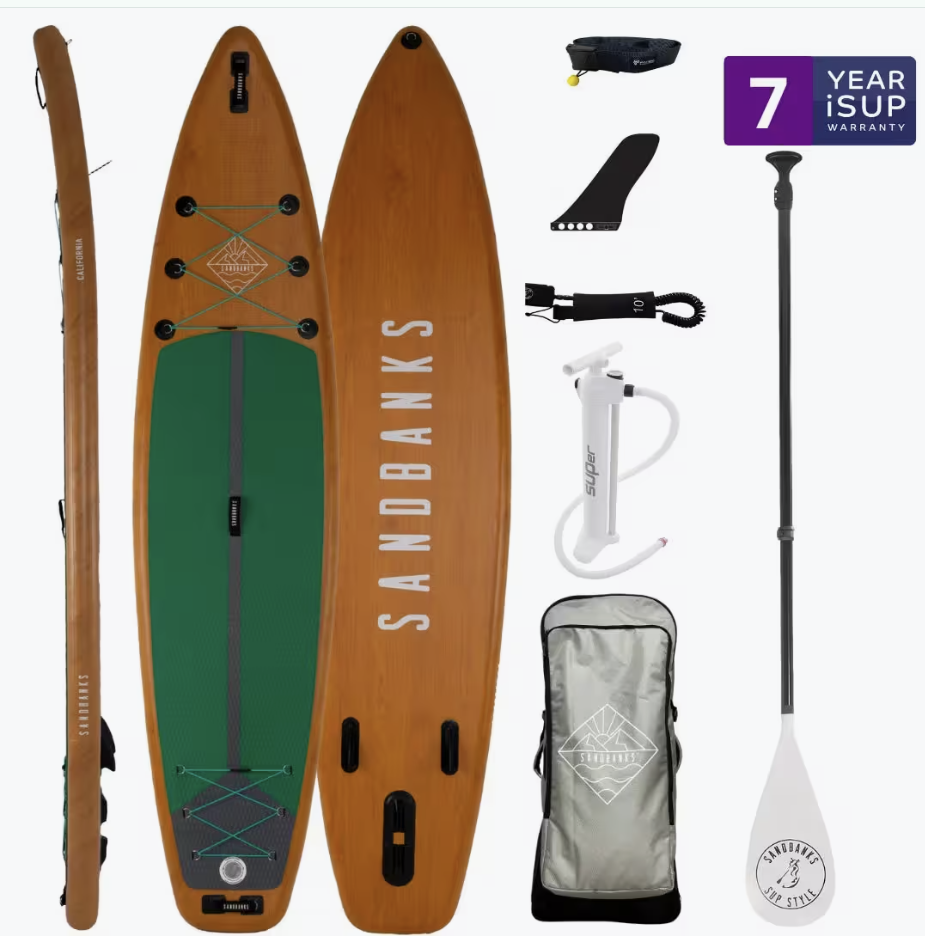
- Stable Touring Option (Sandbanks – via Decathlon)
👉 Sandbanks Style Pro California Touring Inflatable Paddleboard - Adventure-Ready Option (Bluefin SUP)
👉 Bluefin Rogue 12’6 Inflatable Touring SUP
3. Surf Paddle Boards
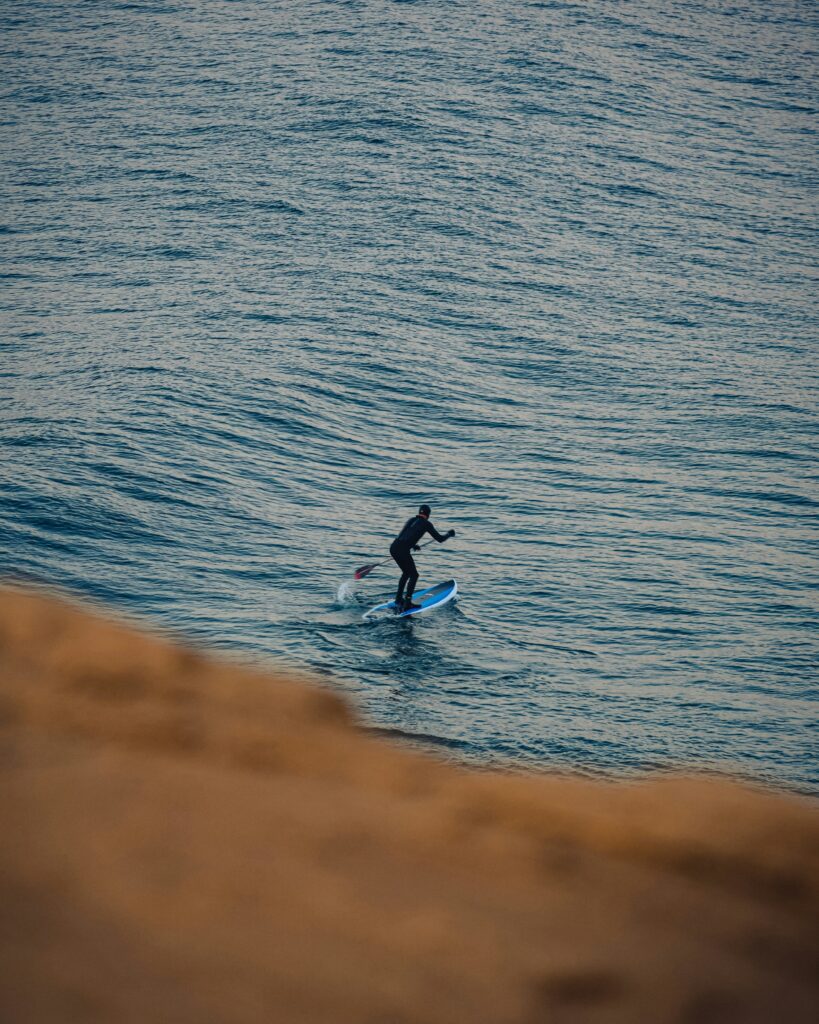
Best for:
- Sea paddling
- Catching waves
What they’re like:
- Shorter and more manoeuvrable
- Built for wave riding
4. Fishing Paddle Boards
Best for:
- Fishing lakes and calm rivers
5. Yoga / Fitness Paddle Boards
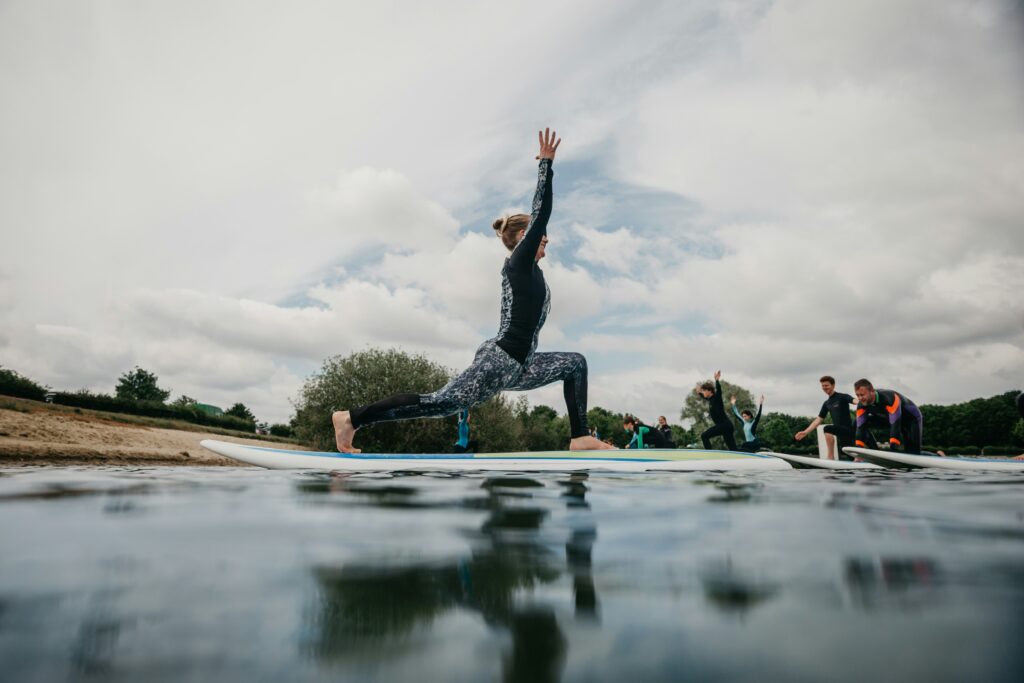
Best for:
- Yoga and workouts on water
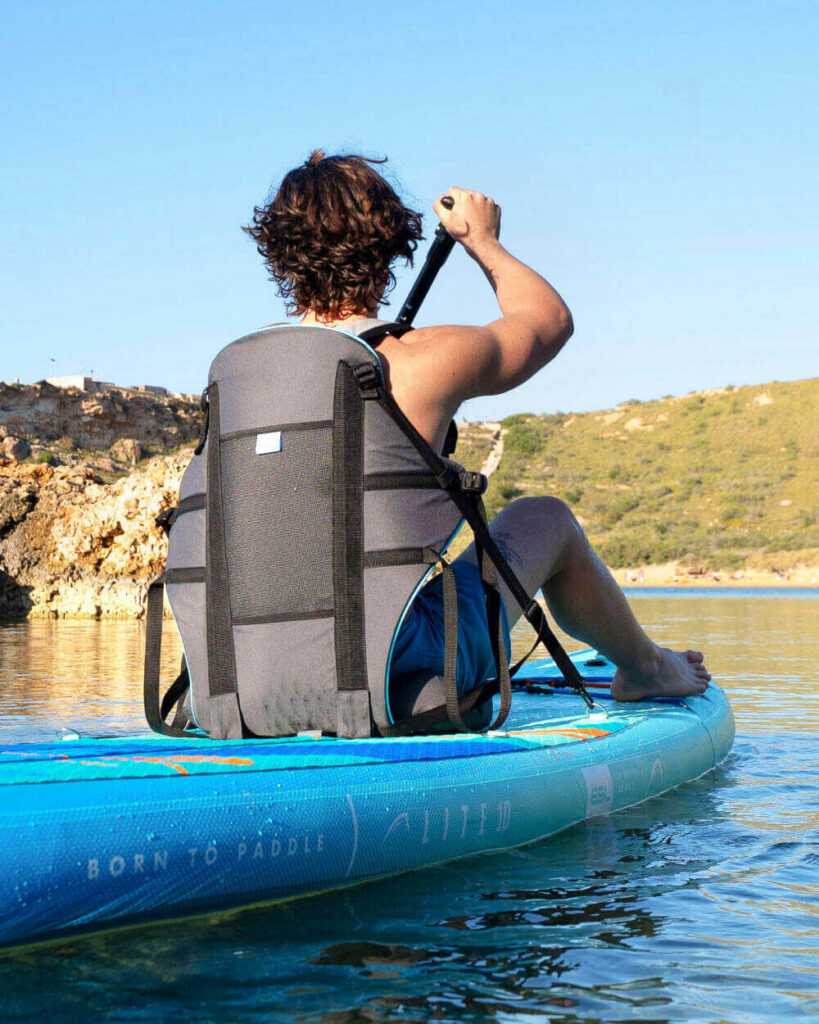
6. Paddle Boards with Kayak Conversion (Hybrid SUPs)

Best for:
- Mixed use (standing + seated paddling)
- Longer or more relaxed paddles
- Windy conditions
What they’re like:
- Standard inflatable paddle boards
- With attachment points for a clip-on seat
- Can be used with a convertible paddle
Pros:
✔ More versatile setup
✔ Option to sit down when needed
✔ Easier over longer distances
Cons:
✖ Not as efficient as a true kayak
✖ Slightly slower than standing SUP
🔗 SUPs with Kayak Seat Compatibility
- Feature-Rich All-Rounder (Bluefin SUP)
👉 Bluefin Original Cruise 10’8 Premium Inflatable SUP - Flexible Budget Option (Decathlon + seat)
👉 HUIIKE Stand Up Paddle Board with seat
💡 Top Tip
Some kayak conversion kits — like those from brands such as Bluefin SUP — can also work as a more comfortable upgrade seat for certain inflatable kayaks.
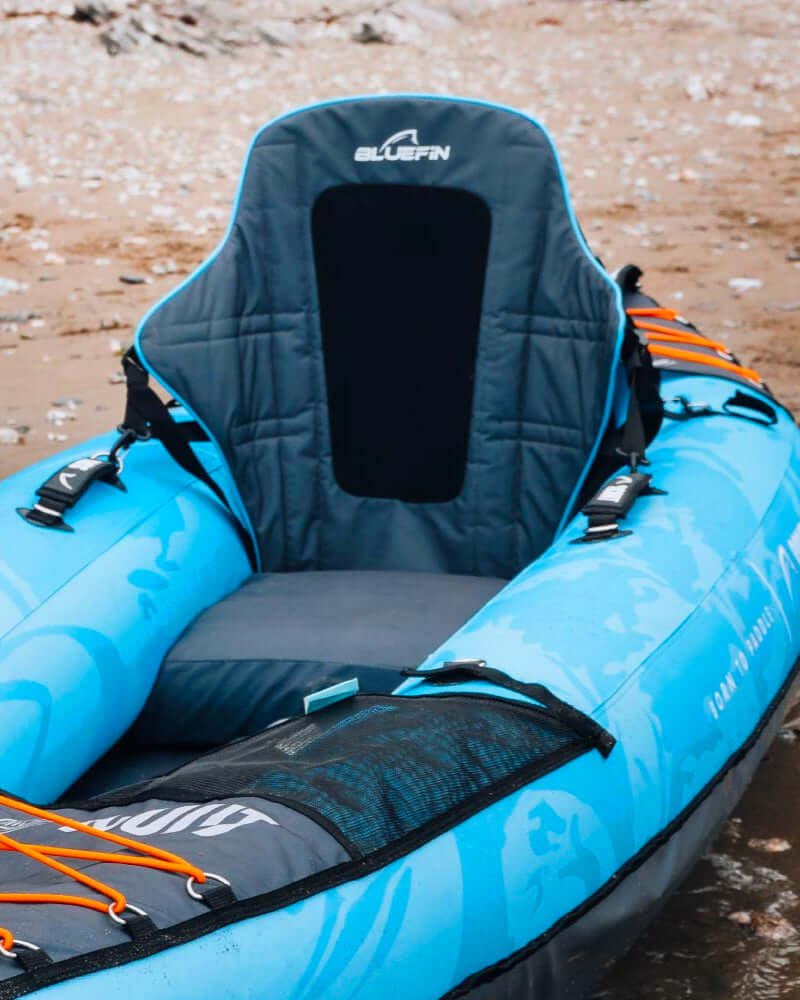
That means if you already own a kayak (or plan to), it can be a simple way to improve comfort without buying a full new setup.
⚠️ Just make sure the attachment points are compatible with your kayak before buying, as this can vary between brands.
Inflatable vs Hard Paddle Boards
Inflatable SUPs (iSUP)
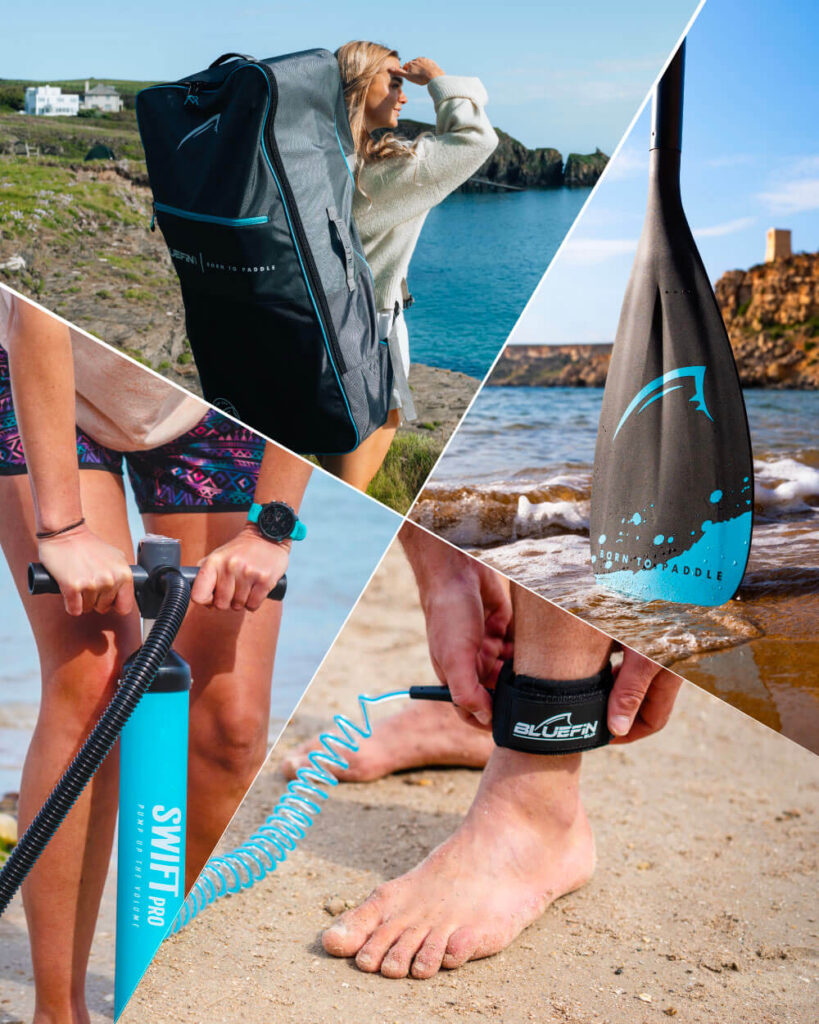
✔ Easy to transport
✔ Durable
✔ Easy to store
Hard Paddle Boards
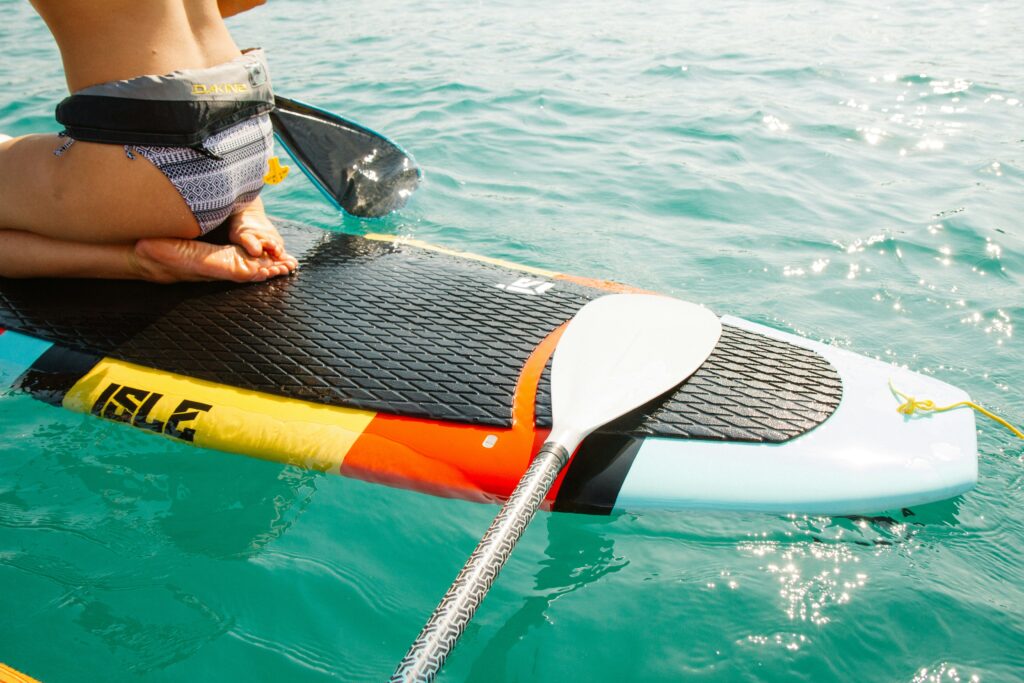
✔ Better performance
✖ Harder to transport
How to Choose the Right Paddle Board
- Width (30–34”) → Stability
- Length (10–11ft) → All-round use
- Length (11’6+ ) → Touring
- Thickness (6”) → Better for heavier paddlers
Quick Recommendation Guide
New to paddle boarding?
👉 All-Around Inflatable SUP
Want to explore?
👉 Touring SUP
Want flexibility?
👉 SUP with kayak compatibility
Surfing?
👉 Surf SUP
⭐ Wild & Waves Top Picks
Best All-Round Paddle Board
👉 Bluefin Original Cruise 10’8 Premium Inflatable SUP
🥈 Best Budget Paddle Board
👉 DECATHLON Inflatable stand-up paddleboard pack
🥉 Best for Adventures & Longer Paddles
👉 Sandbanks Style Pro California Touring Inflatable Paddleboard
🪑 Best SUP with Kayak Option
👉 Bluefin Original Cruise 10’8 Premium Inflatable SUP
👉 Bluefin Kayak Conversion Kit