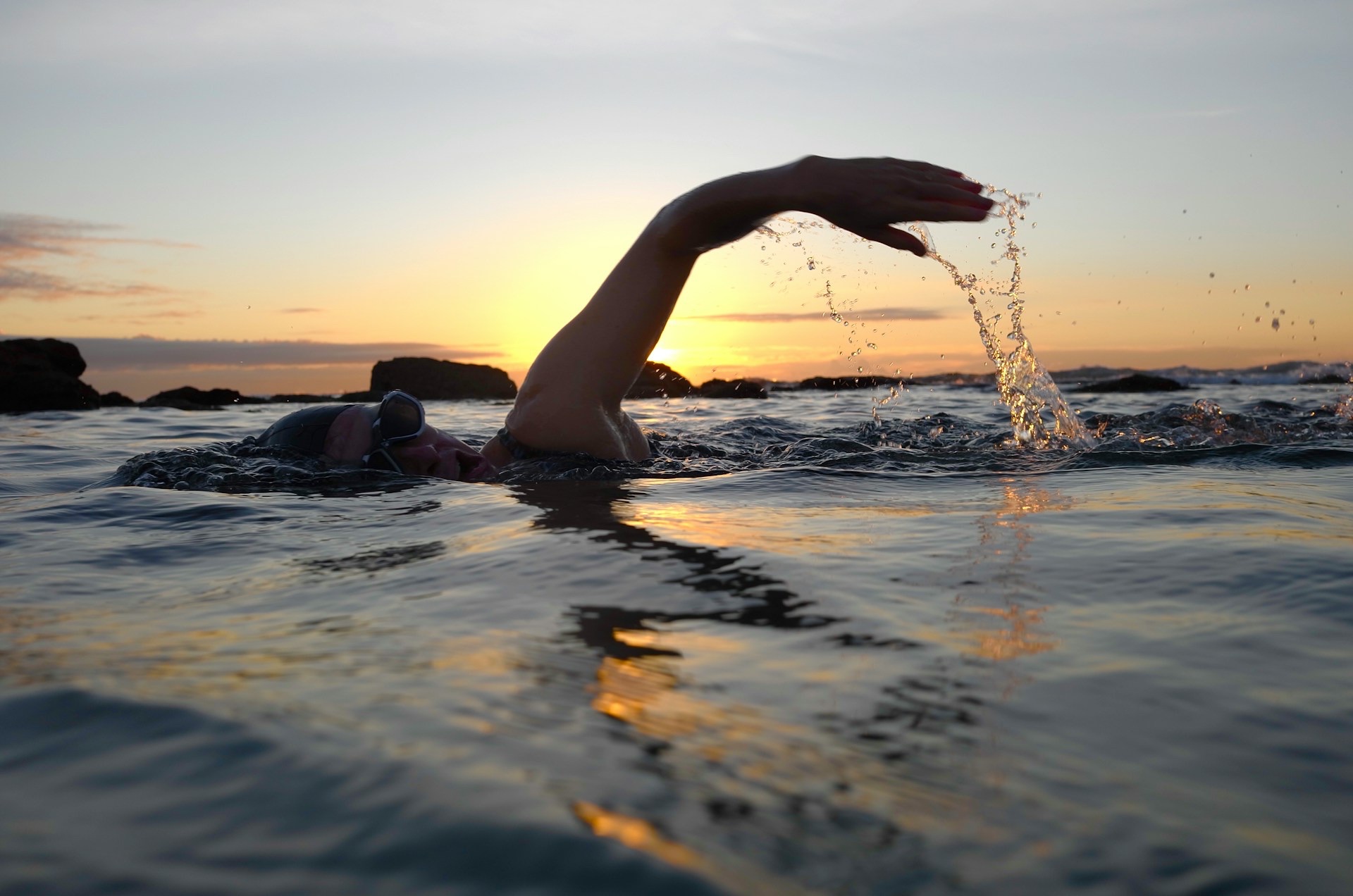
Cold water swimming has surged in popularity over recent years — and it’s not just a passing trend. From sea dips at sunrise to bracing lake swims in the depths of winter, more people are discovering that immersing yourself in cold water can have powerful benefits for both body and mind.
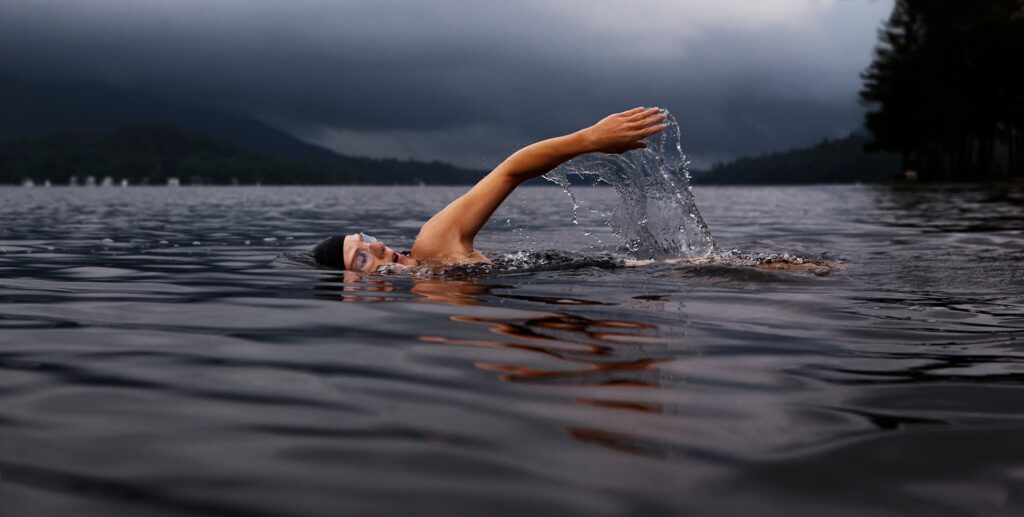
So what’s really going on when you take the plunge?
1. Boosts Mental Health & Mood
One of the most talked-about benefits of cold water swimming is how it makes you feel.
When you enter cold water, your body releases a rush of endorphins and dopamine — the same “feel-good” chemicals linked to improved mood and reduced stress. Many swimmers report feeling calmer, more focused, and mentally clearer after a swim.
Regular cold water swimming has been linked to:
Reduced anxiety Improved mood Better stress resilience A stronger sense of mental toughness
For many, it becomes a form of moving meditation — intense, grounding, and impossible to overthink while you’re in the water.
2. Strengthens the Immune System
Repeated exposure to cold water encourages your body to adapt. Over time, this adaptation may help improve circulation and support immune response.
Cold water immersion causes blood vessels to constrict and then rapidly dilate once you warm up again. This process helps move blood more efficiently around the body, potentially improving oxygen delivery and waste removal.
Many regular cold water swimmers report fewer colds and illnesses — especially when combined with good recovery habits and gradual exposure.
3. Improves Circulation & Heart Health
Cold water triggers an immediate cardiovascular response. Your heart rate increases, breathing deepens, and blood is redirected toward vital organs.
Over time, this can:
Improve vascular flexibility Support healthy blood pressure Increase overall cardiovascular efficiency
Like exercise, cold exposure is a controlled stressor — and controlled stress, when managed properly, makes the body stronger.
4. Reduces Inflammation & Muscle Soreness
This is why athletes often turn to ice baths.
Cold water can help reduce inflammation and muscle soreness by limiting swelling and numbing nerve endings. Swimmers, runners, hikers, and paddlers often use cold water immersion as part of their recovery routine after long days outdoors.
It’s not a magic cure — but it can be a powerful recovery tool when used sensibly.
5. Builds Resilience & Confidence
There’s no getting around it — cold water is uncomfortable at first.
But choosing to step into that discomfort and stay calm while doing so builds resilience fast. Each swim reinforces the idea that you can handle more than you think.
That confidence often carries over into everyday life:
Better stress management Improved self-discipline A stronger sense of personal achievement
Few things make you feel more alive than walking away from a freezing swim knowing you did that.
6. Encourages Connection With Nature
Cold water swimming is deeply connected to the natural world. You’re working with tides, seasons, weather, and water temperature — not fighting them.
This connection can:
Reduce screen time Improve mindfulness Strengthen your appreciation for wild places
Whether it’s a quiet lake, a rugged coastline, or a flowing river, cold water swimming invites you to slow down and truly experience your surroundings.
A Quick Word on Safety
Cold water swimming is hugely rewarding — but it must be approached with care:
Always enter the water slowly Never swim alone Know the signs of cold shock and hypothermia Wear appropriate gear when needed (wetsuits, neoprene hats, gloves) Get out while you still feel strong
Start short, build gradually, and listen to your body.
Final Thoughts
Cold water swimming isn’t about being extreme — it’s about embracing challenge, reconnecting with nature, and discovering what your body and mind are capable of.
It’s uncomfortable. It’s invigorating. And for many, it becomes life-changing.
If you’ve ever felt the call of the water on a cold morning… maybe it’s time to answer it.